
Sports injury care
Sports Injuries & Active Lifestyles
Evaluation, Rehabilitation & Conservative Care for Active Patients
Activity-related complaints may include pain, stiffness, reduced movement or muscle and tendon discomfort. An evaluation helps explore what may be contributing to your symptoms and appropriate next steps toward normal activity.

Movement matters
Common Reasons Active Patients Seek Care
Start with what feels different. These concerns do not establish a diagnosis or mean a particular treatment is appropriate.
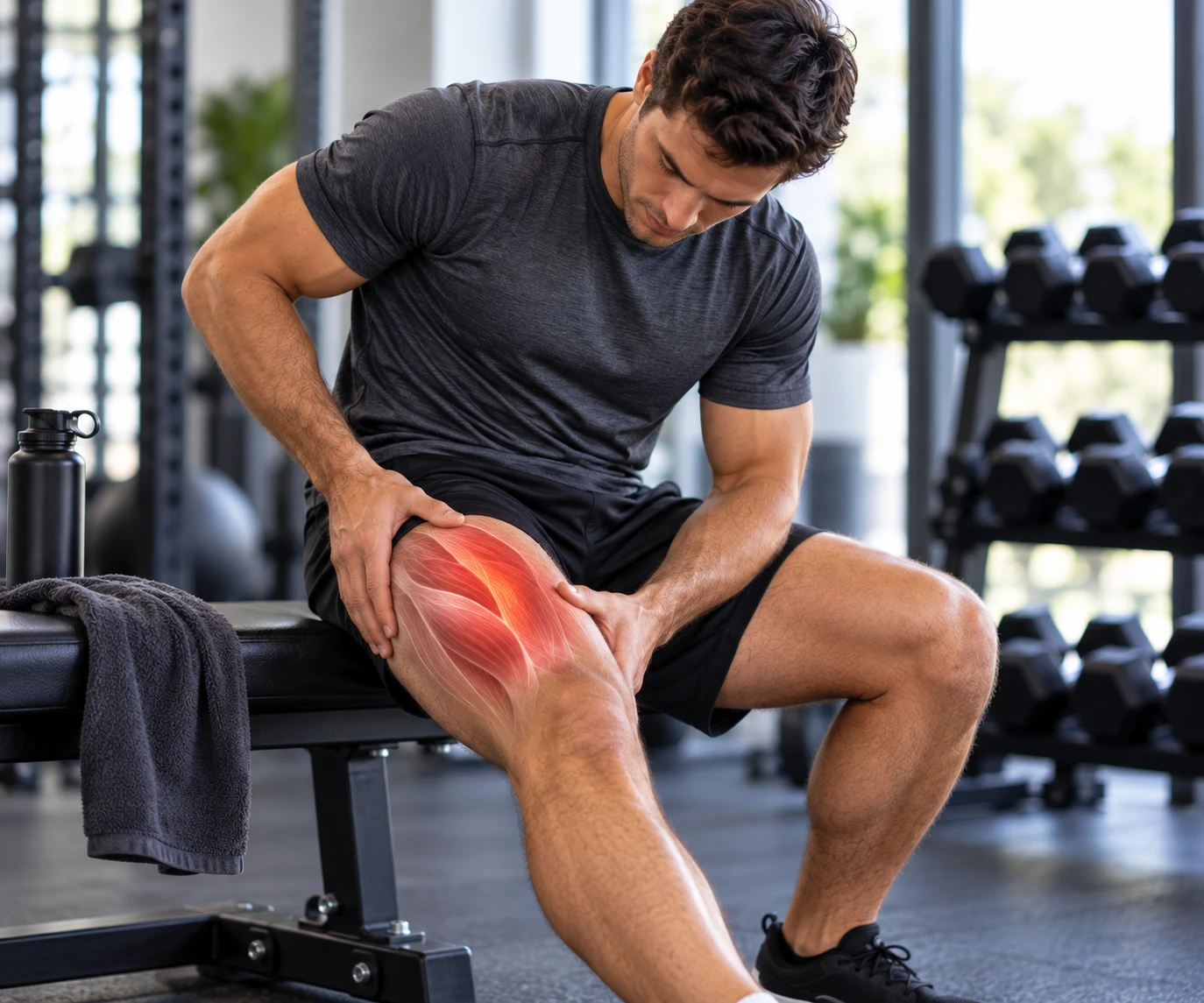
Muscle Soreness
Discomfort during or after activity.
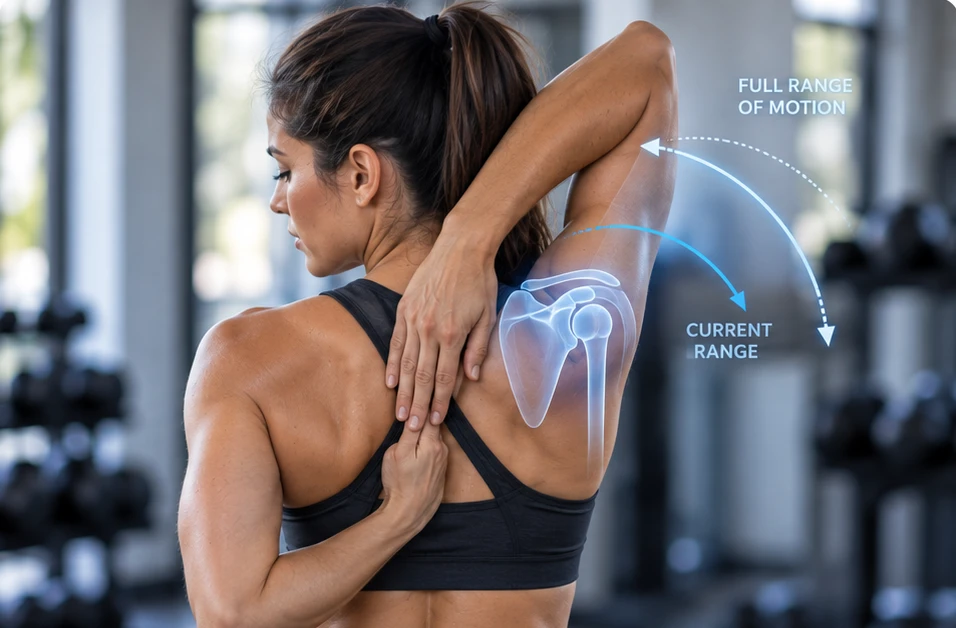
Joint Stiffness
Movement that feels restricted.
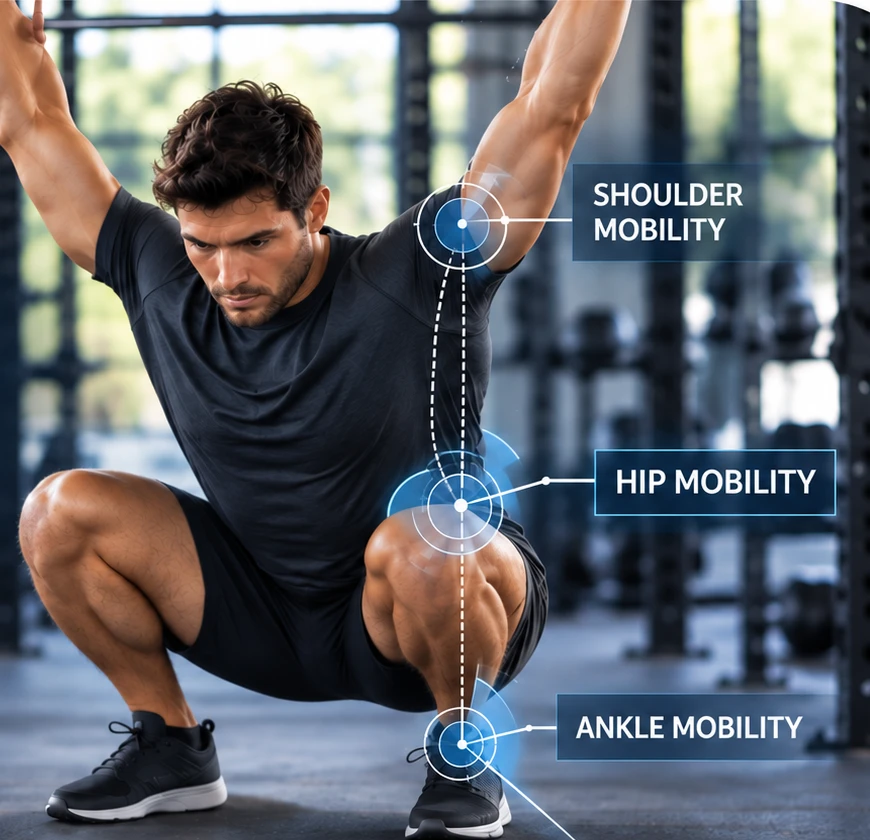
Reduced Mobility
Difficulty with familiar movements.
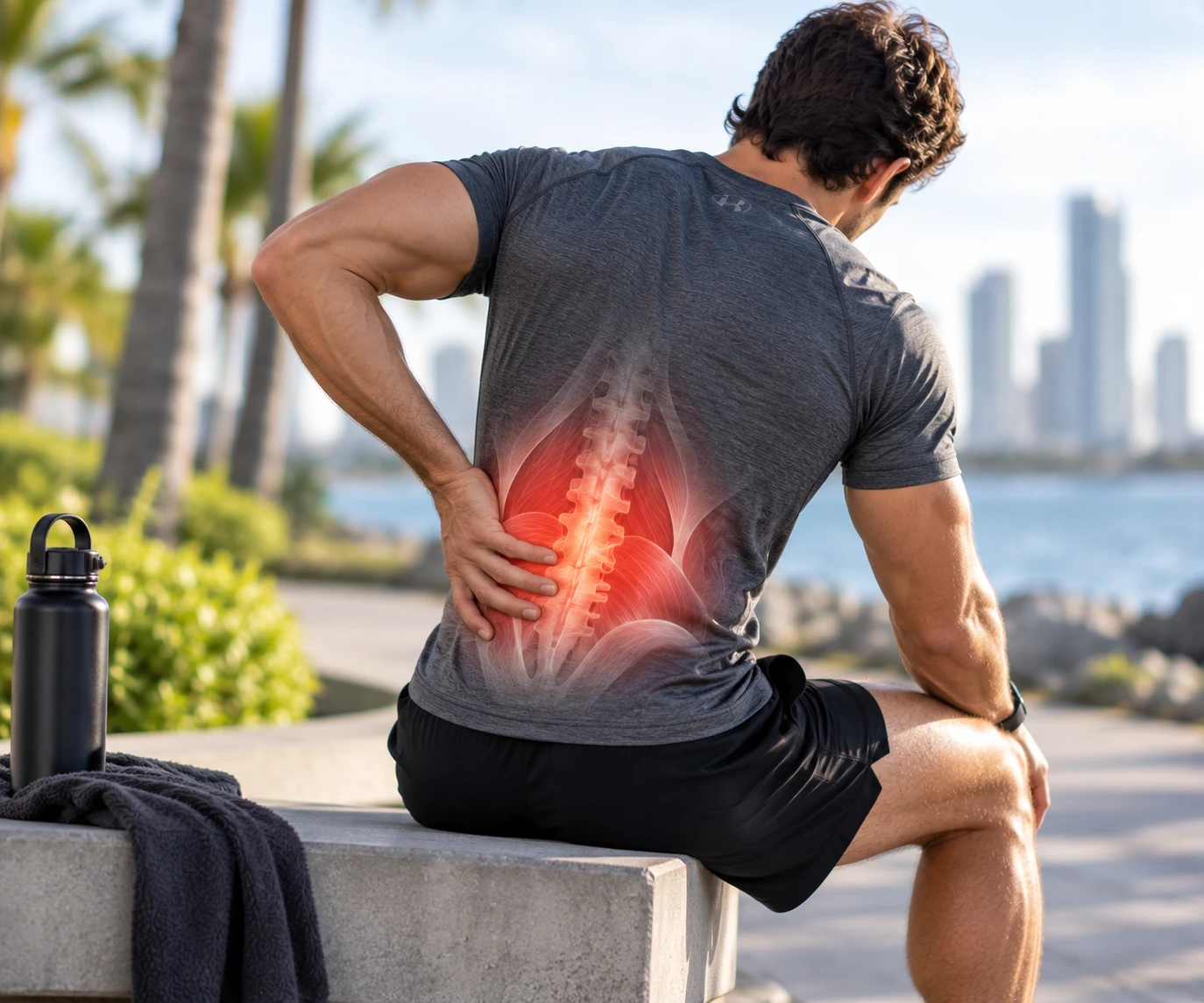
Activity-Related Back Pain
Back symptoms during everyday or sporting activity.
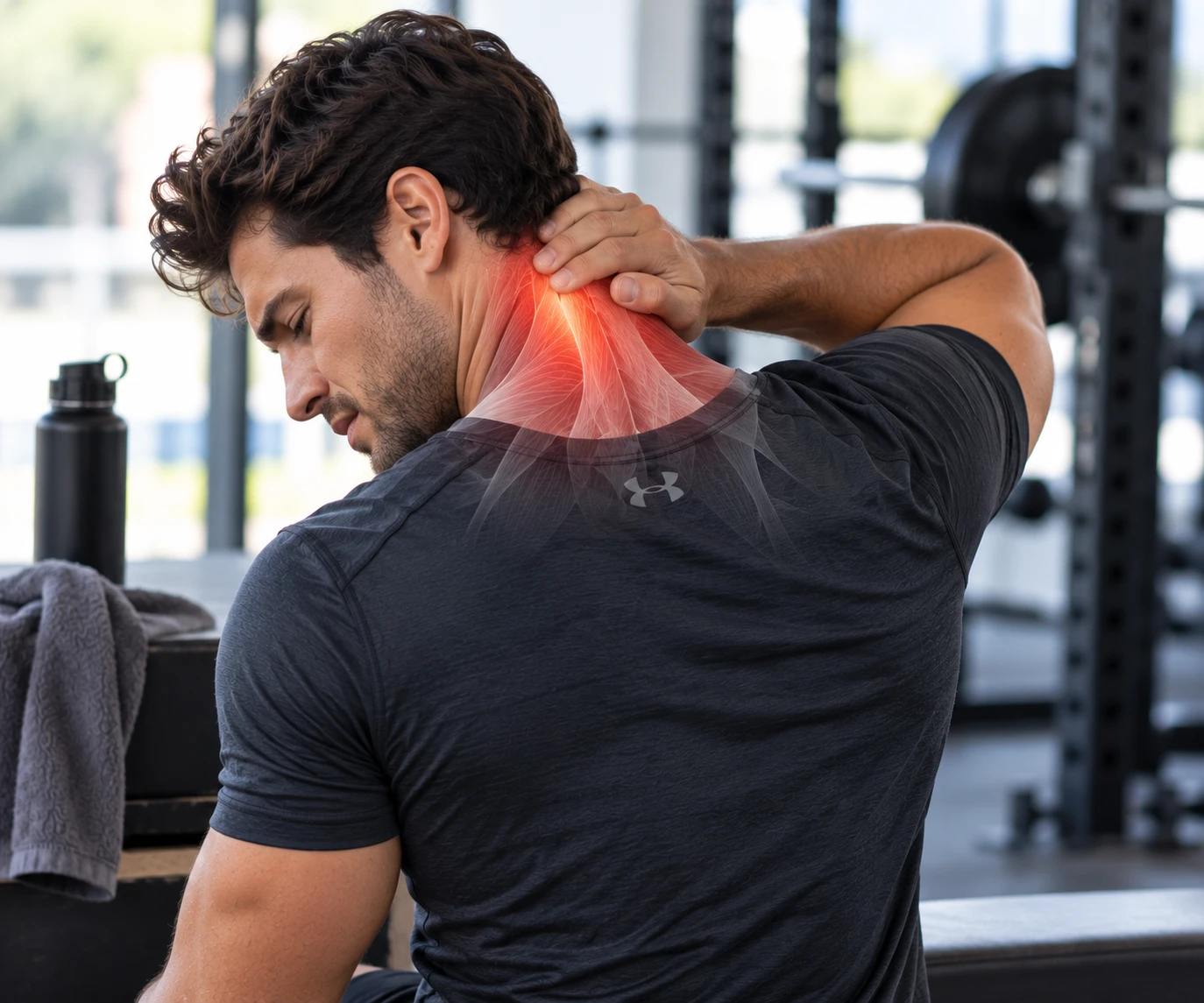
Activity-Related Neck Pain
Neck discomfort or limited movement.
Shoulder & Upper Body
Concerns affecting reaching, lifting or activity.
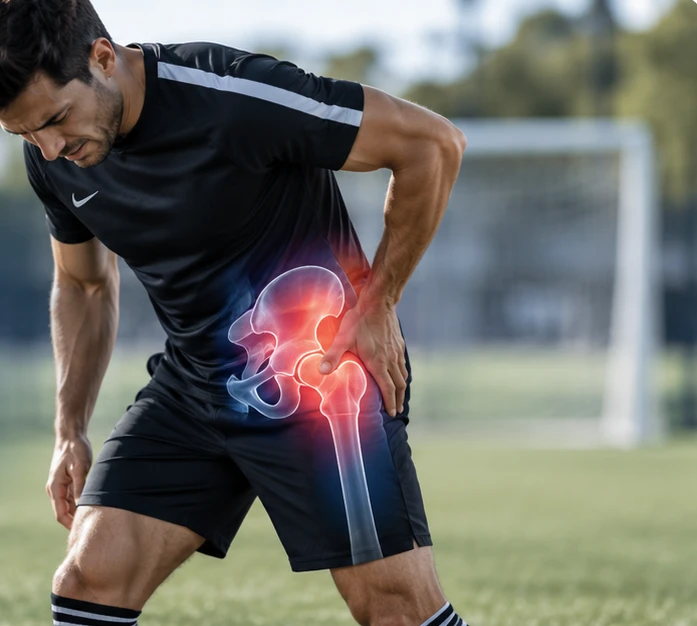
Hip & Lower Body
Discomfort affecting lower-body movement.
Rehabilitation Needs
Guidance on exercise and activity progression.
Understand the problem
How Sports Injuries Are Evaluated
An evaluation begins with the activity or event, your symptom timeline and any changes in training.
Examination may consider movement, range of motion, strength, tenderness and functional limitations, with neurological screening when relevant.
Prior records or imaging can provide context. Imaging is not automatic; findings may indicate a need for further testing, medical referral or co-management.
Questions to consider when choosing a chiropractor for a sports injury
How it began
Sudden Injuries vs. Overuse Problems
A Specific Event
An acute injury may occur with a particular movement, impact or fall. Describe what happened and what you noticed afterward.
Repeated Activity Over Time
Overuse problems can develop with repeated loading or activity. Timing is useful history, but does not establish a diagnosis by itself.
Medical care comes first
When a Sports Injury May Need Urgent Medical Attention
Call 911 in an emergency. Do not wait for routine chiropractic scheduling.
Seek urgent assessment for severe or worsening pain, substantial swelling after an injury, or inability to bear weight. An obviously deformed limb or numbness after injury needs emergency assessment.
After a head injury, new weakness, difficulty walking, a seizure or difficulty staying awake are emergency warning signs.
These are examples, not a complete checklist. A possible fracture, dislocation or other serious injury requires appropriate medical assessment.
Return to activity
Rehabilitation for Sports & Activity-Related Injuries
Your rehabilitation plan may focus on movement, strength, control and gradually tolerating more activity. Dr. Goldstein uses your evaluation and response to guide exercises and progress at home.
Dr. Goldstein will reassess your progress. A return-to-sport date cannot be guaranteed, and care cannot guarantee that you will avoid another injury.
Explore Rehabilitation Services →Selected approaches
Can Chiropractic or Manual Therapy Be Part of Care?
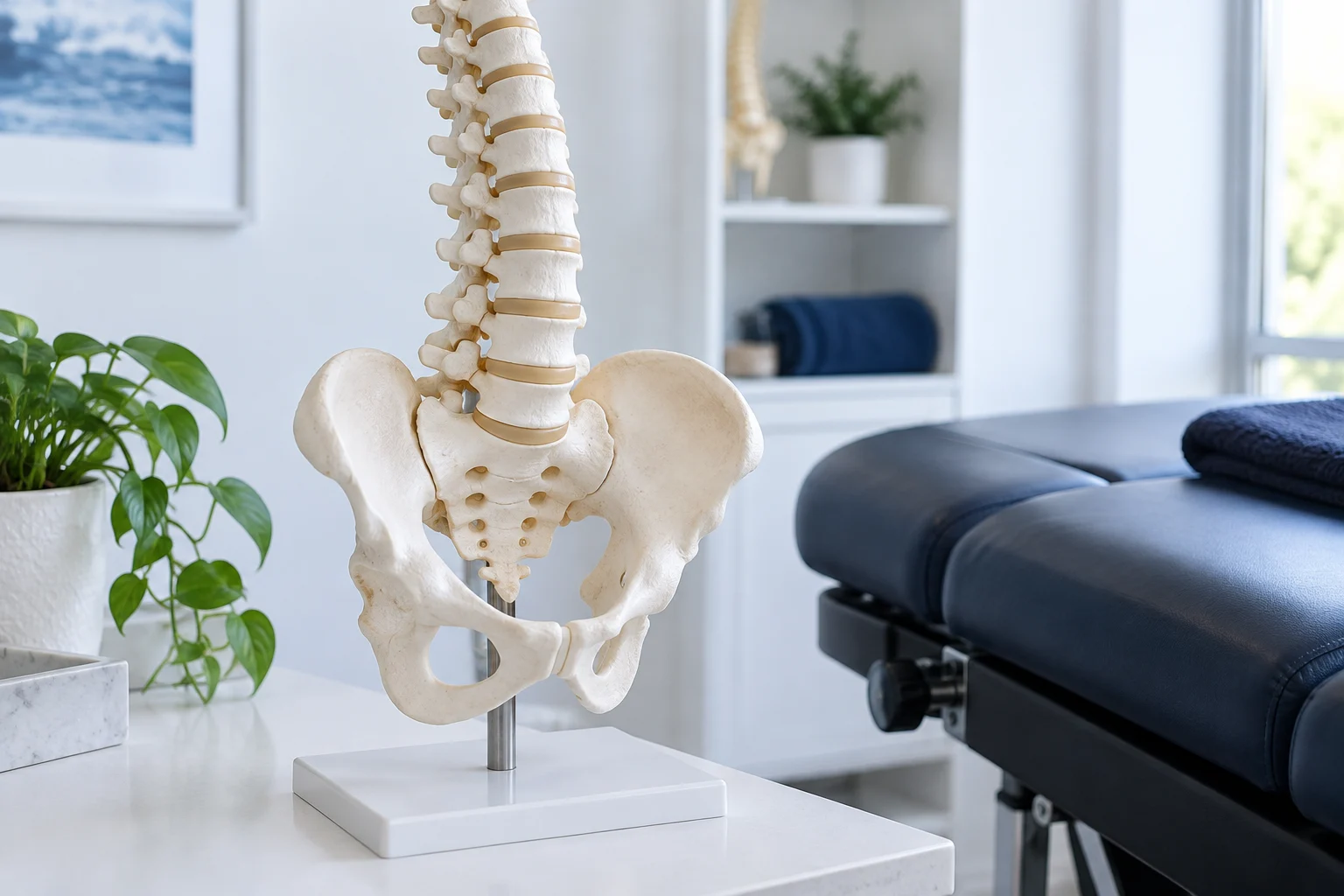
For selected musculoskeletal presentations after evaluation, care may include chiropractic adjustments, manual therapy, mobility work or rehabilitation exercises. Manipulation is not required, and evidence for one condition should not be assumed to apply to every sports injury.
Spinal manipulation can cause temporary discomfort, stiffness or headache. Rare serious complications have been reported. Discuss health history, medications, risks and alternatives before treatment; referral may be appropriate.
An individual plan
Treatment Options for Active Patients
Available approaches include chiropractic adjustments, manual therapy, rehabilitation, shockwave therapy, laser therapy and instrument-assisted soft tissue mobilization (IASTM). Decompression and traction may be discussed when appropriate to the presentation.
- Chiropractic Adjustments
- Manual Therapy
- Rehabilitation
- Shockwave Therapy
- Laser Therapy
- Instrument-Assisted Soft Tissue Mobilization (IASTM)
- Decompression & Traction
Dr. Goldstein recommends the options that fit your sports concern; you will not automatically receive every method listed. Custom orthotics are a separate personalized support product.
Explore Services →Personalized support
Footwear & Custom Support
Some active patients may want to discuss footwear or individual foot-support needs. Foot Levelers custom orthotics are available through the office following an assessment and foot scan.
Orthotics are not necessary for everyone and do not address every movement problem.
- Scan
- Review
- Custom Fit
Experience with active patients
Sports Care with Dr. Brett Goldstein
Dr. Brett Goldstein, D.C. graduated from Palmer Chiropractic College in 2010. His past experience includes athlete-services involvement at CrossFit Southeast regional competitions and serving as team chiropractor for local sport leagues.
These are historical roles, not a statement of current affiliation. His work with active patients considers symptoms, movement, activity demands and individual goals.
Meet Dr. Goldstein →Progress at your pace
Getting Back to the Activities You Enjoy
Return-to-activity decisions depend on the type and severity of the issue, symptoms, function, activity demands and response to rehabilitation. Progression should be individualized rather than tied to a fixed deadline.
Do not push through injury pain. Stop the activity that provokes it and seek guidance about appropriate next steps.
Prepare for your visit
What Should I Bring to a Sports Injury Evaluation?
Bring relevant information to discuss in person. This page does not accept records or uploads.
- Photo identification
- Relevant insurance information
- Prior imaging or reports, if available
- Medication list, if relevant
- Information about your activity or sport
- Your symptom timeline
- Footwear or braces, if relevant
- Questions you want to discuss
Common questions
Sports Injury FAQs
What kinds of sports injuries does Dr. Goldstein evaluate?
Active patients may seek evaluation for muscle soreness, joint stiffness, reduced movement and activity-related back, neck or limb complaints. Symptoms alone do not identify a specific injury, and referral may be needed.
Do I need imaging?
Not everyone needs imaging. History and examination findings guide whether imaging or medical referral may be appropriate.
Can I keep training?
Do not push through pain from an injury. Stop an activity that provokes injury pain and seek guidance about appropriate activity and progression.
Do you work with runners, CrossFit participants and field-sport patients?
Patients can discuss concerns arising from running, fitness training or field sports. Recommendations depend on individual findings and activity demands. This does not imply a current team or event affiliation.
Is rehabilitation part of care?
It may be. Appropriate exercises can focus on movement, strength and gradual activity progression, with home recommendations selected for your needs.
Can chiropractic care be part of sports injury treatment?
Selected musculoskeletal complaints may be considered for chiropractic or manual care after evaluation. Manipulation is not required, and risks, alternatives or referral should be discussed.
Do you offer shockwave therapy?
Shockwave therapy is an available approach. Whether it is appropriate depends on the specific presentation and evaluation; it is not a treatment for every sports complaint.
Do you offer custom orthotics?
The office offers Foot Levelers custom orthotics based on an individual assessment and foot scan. They are a separate support product and are not needed by every active patient.
How long does recovery take?
There is no single timeline. The nature and severity of the issue, symptoms, function, activity demands and response to care influence return-to-activity decisions.
When should I see another medical provider?
Urgent or emergency warning signs need prompt medical care. Further assessment or co-management may also be appropriate when findings or progress indicate a need beyond conservative care at this office.
Medical Information
General educational information, not a diagnosis or a substitute for individual medical assessment or emergency care.
Sources: NIH NIAMS: Sports injuries · NIH NIAMS: Evaluation & rehabilitation · NHS: Sprains & strains · NHS: Head injury · NIH NCCIH: Spinal manipulation
Active patient care
Dealing with a Sports or Activity-Related Problem?
Start with an evaluation and a conversation about your symptoms, movement and activity goals.
Online scheduling is currently unavailable. No appointment request is sent from this page.
Contact the Office →