
Sports & Activity-Related Problems
After evaluation, selected patients may work gradually toward normal activity through an individualized rehabilitation plan.
Explore Sports & Activity-Related ProblemsRehabilitation & Movement
Guided Exercise, Mobility & Progressive Return to Activity
When injury or musculoskeletal symptoms affect movement, strength or activity tolerance, rehabilitation may fit into your care. Activities are selected according to your evaluation, current abilities and goals.
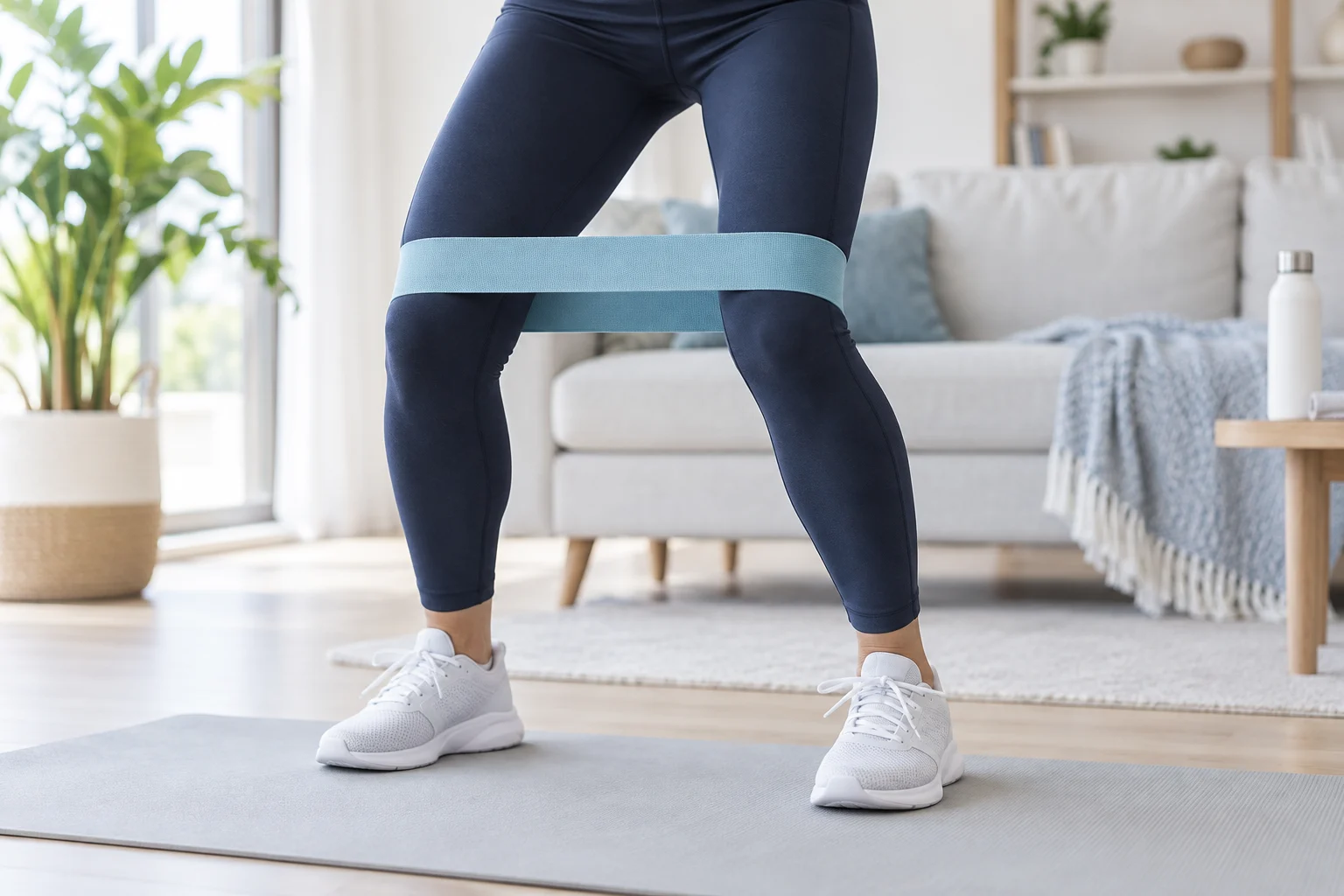
Purposeful movement
Rehabilitation may include movement, mobility, strengthening and control exercises aimed at the activities that matter to you. Tasks and exercise demands can be adjusted as your abilities and needs change.
Your exercise plan focuses on how you move and manage activity. It is tailored to you, and full recovery cannot be promised.
Different needs. Individual plans.
After evaluation, selected patients may work gradually toward normal activity through an individualized rehabilitation plan.
Explore Sports & Activity-Related ProblemsGuided exercise may be part of care for selected musculoskeletal complaints after a collision, once clinically appropriate.
Explore Auto Accident RecoveryMovement limitations, stiffness, reduced conditioning or activity-related concerns may prompt a discussion about rehabilitation.
Explore Everyday Musculoskeletal ConcernsStart with the individual
Dr. Goldstein uses your history, symptoms, movement and everyday needs to choose a starting point. Exercises also need to fit your current activity level, goals and health circumstances.
Discuss your history, symptoms and goals.
Consider strength, activity level and functional limitations.
Select activities suited to your findings and abilities.
Monitor response and adjust the plan.
Movement foundations
Controlled movement may be selected to work on range of motion and comfortable everyday tasks. Findings guide the movement and its limits before more demanding activity is considered.
Build gradually
Progressive strengthening and movement-control exercises may address strength, endurance and coordination. Loading and difficulty are adjusted to suit the individual, with attention to technique and response.
Progress at your pace
Your goal might be walking comfortably, working, exercising, returning to the gym or enjoying recreational sports. Running and field or court activities place different demands on movement.
Progression considers symptoms, function, activity demands and individual circumstances. There is no guaranteed return date.
Between visits
Simple home exercises may support your visits. Ask Dr. Goldstein to explain the technique, how much and how often to practice, and when to check in before moving on.
Ask if anything is unclear. Exercises may be modified as you progress. Do not push through significant or worsening pain; stop the provoking exercise and seek guidance.
After a collision
Some patients with accident-related musculoskeletal complaints may incorporate guided exercise into care after evaluation. Exercise is not automatically appropriate immediately after trauma; suspected significant injury or warning signs take priority.
Learn more about auto accident care and the evaluation of whiplash, neck pain or back pain after a collision.
Active patient care
A plan may consider mobility, strength, control and gradual loading in relation to the demands of your activity. Return-to-activity progression is guided by findings and response, rather than a performance promise.
Explore Sports Injury Care →Care that fits
Dr. Goldstein may recommend rehabilitation alongside chiropractic adjustments, manual therapy, IASTM, shockwave therapy, laser therapy or decompression and traction when your evaluation supports that combination.
These modalities are not prerequisites for exercise. A combined plan is not necessary for everyone, and the availability of a service does not establish its suitability for your concern.
Explore Services →Safety before progression
Stop exercise and seek medical assessment for a suspected significant acute injury, possible fracture or dislocation, progressive weakness or numbness, or severe or rapidly worsening symptoms. Follow medical restrictions before resuming activity.
After a head injury, difficulty staying awake, a seizure or new difficulty walking requires emergency care. Call 911 in an emergency; do not wait for a routine appointment.
These examples are not exhaustive. Medical assessment takes priority over exercise when concerning symptoms are present.
Meet Dr. Goldstein
Dr. Brett Goldstein, D.C. considers how you move and manage activities when choosing exercises. He monitors your response to guide changes and decide how rehabilitation fits with the rest of your care.
Referral or co-management may be appropriate when the findings or your needs call for another provider.
Meet Dr. Goldstein →Your rehabilitation visits
Begin with activities selected for your current abilities.
Review technique and ask questions about instructions.
Follow the plan and discuss how you respond.
Review symptoms and function; exercises may change.
The plan can change over time. There is no fixed number of visits for every patient.
Common questions
Here, rehabilitation means individualized guided exercise and movement activities aimed at movement, strength and everyday function. Specific activities depend on an evaluation.
No. It may be considered for everyday musculoskeletal concerns or selected accident-related symptoms as well as sports injuries. Not everyone needs rehabilitation.
It may be part of care for selected musculoskeletal complaints after assessment. Significant injuries or warning signs need appropriate medical evaluation first.
Yes. History, symptoms, movement, function and current abilities help guide appropriate exercise selection.
Home exercises may be recommended when appropriate. Ask for clear instructions about technique, frequency and progression.
Do not push through significant, sharp or worsening pain. Stop the provoking exercise and ask for guidance. Discuss what sensations to expect for your particular program; new warning signs need medical assessment.
Progression depends on your symptoms, movement, function and response, rather than a fixed schedule for everyone.
It may be combined with other conservative care when appropriate. An adjustment or another modality is not a prerequisite for exercise, and not everyone needs combined treatment.
The duration varies with the concern, current abilities, goals and response. There is no fixed visit count or guaranteed recovery deadline.
Stop and seek guidance for significant or worsening pain or new symptoms. Suspected serious injury, progressive weakness or numbness, and head-injury warning signs need medical assessment rather than exercise progression. Follow any medical restrictions.
General educational information, not an individual exercise prescription, diagnosis or substitute for medical assessment or emergency care.
Sources: MedlinePlus: Rehabilitation · NIH NIAMS: Sports injury rehabilitation · AAOS: Exercise guidance · NHS: Back pain · NHS: Whiplash · NHS: Sprains and strains · NHS: Head injury
Move forward
Start with an evaluation and a conversation about what you're experiencing, what activities matter to you and which next steps may be appropriate.
Online scheduling is currently unavailable. No appointment request is sent from this page.
Contact the Office →