
Conditions & Concerns
What Can We Help You With?
Start with What You're Experiencing
Pain, stiffness, reduced movement, sports-related complaints or symptoms after an accident can be reasons to seek an evaluation. Dr. Brett Goldstein, D.C. considers your concerns and examination findings to help determine appropriate next steps.
Start with your concern
Common Reasons Patients Visit
Explore a concern below. These pathways provide information, not a diagnosis or a recommendation for a particular treatment.

Auto Accident Injuries
Symptoms and next steps after a collision.
Explore concern
Back Pain
Pain, stiffness and everyday movement.
Explore concern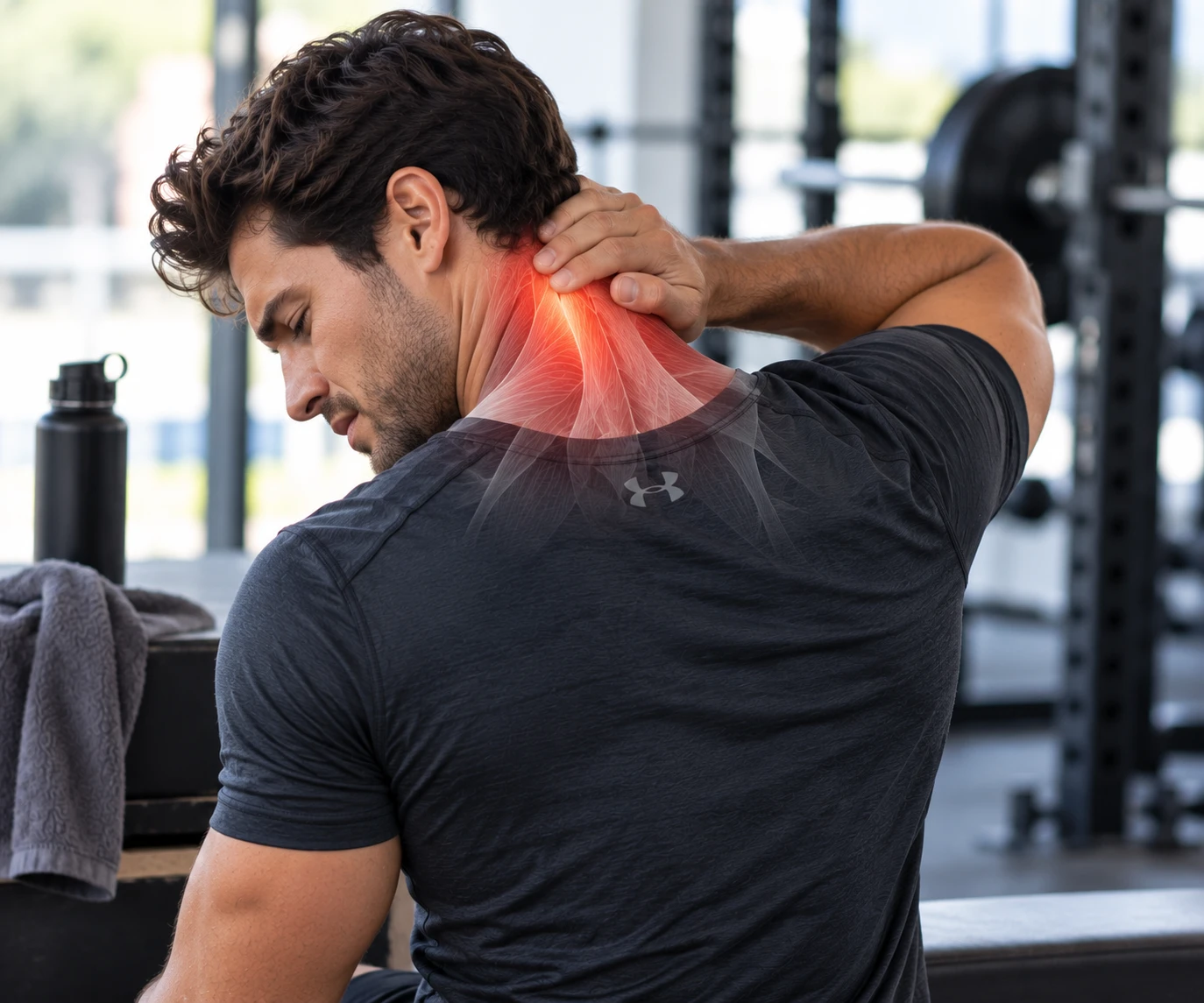
Neck Pain
Discomfort and restricted neck movement.
Explore concern
Sports Injuries
Activity-related concerns and mobility.
Explore concern
Headaches
Different causes require careful evaluation.
Explore concern
Movement Limitations
Rehabilitation and individual activity goals.
Explore concern
Shoulder & Arm Concerns
Soreness and upper-body movement.
Explore concern
Hip & Leg Concerns
Lower-body movement and activity.
Explore concernNeck pain, back pain, headaches, stiffness, reduced movement or muscle soreness may prompt an evaluation after a collision. Timing alone does not establish the cause or diagnosis. Urgent concerns need appropriate medical assessment.
What to Do After a Car Accident →Active lives
Sports Injuries & Activity-Related Problems
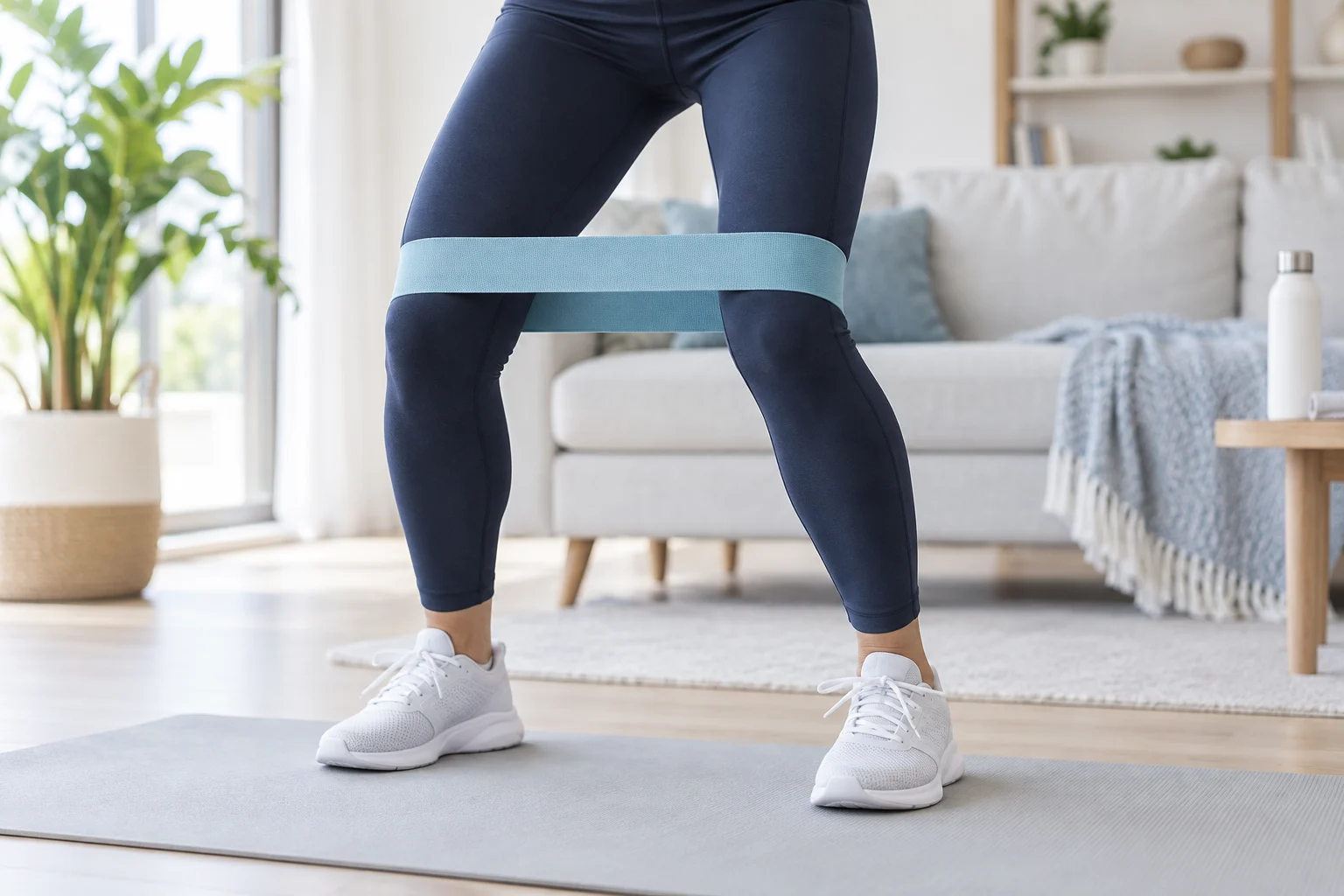
Movement restrictions, muscle or tendon complaints and symptoms associated with repeated activity may bring active patients to the office. Evaluation considers mobility, rehabilitation needs and return-to-activity concerns.
Recommendations depend on the findings and your goals. A symptom description does not identify a specific injured structure.
Explore Sports & Activity Care →Everyday comfort & movement
Back & Neck Concerns
Pain, stiffness, limited motion and muscle soreness can interfere with everyday activities. Describe any discomfort you notice during prolonged sitting, repetitive tasks or other movement.
Back and neck symptoms can have different causes. Evaluation helps determine whether conservative care, further assessment or referral is appropriate.
Explore General Musculoskeletal Care →Describe the whole picture
Back and Neck Symptoms in Context
Back Pain & Activity
People may seek help when back discomfort interferes with movement, work or everyday activities, or when symptoms keep returning. A muscle strain is one possible cause, but the source of pain is not always clear. Symptoms alone do not confirm a disc, joint or nerve problem.
Pain may travel into a leg. Numbness, tingling or weakness also need assessment rather than an assumption that they are ordinary soreness.
Back symptoms after a collision →Neck Pain & Related Symptoms
Joint-related pain, disc problems or nerve irritation may be considered. Existing neck conditions can also be relevant.
Headaches have many possible causes. A headache with neck discomfort does not by itself establish a musculoskeletal cause or mean chiropractic care is appropriate.
New weakness, numbness, tingling or trouble walking after a neck injury need urgent medical assessment.
Neck symptoms and assessment →A careful assessment
Headaches & Neck-Related Symptoms
Headaches can have many possible causes. Neck discomfort alongside a headache does not by itself establish the cause or mean chiropractic care is appropriate. An evaluation can help determine the appropriate next step.
Headaches following head trauma need medical assessment; warning signs may require emergency care.
Headaches After a Car Accident →Neck Symptoms After a Collision →
Upper-body movement
Shoulder, Arm & Upper-Body Complaints
Soreness, restricted movement or discomfort with activity can be reasons to discuss an upper-body concern. Assessment considers the symptoms, affected activities and any rehabilitation needs without assuming a specific diagnosis.
Lower-body movement
Hip, Leg & Lower-Body Complaints
Activity-related discomfort, muscle soreness, mobility limitations and rehabilitation needs may warrant evaluation. Footwear or support concerns can also be discussed.
Custom orthotics are a separate personalized support option, not a treatment for every lower-body complaint.
Medical care comes first
When Symptoms May Need Urgent Medical Attention
Call 911 in an emergency. Do not wait for a routine office appointment.
Seek urgent medical assessment for severe or rapidly worsening pain. Back pain after a serious accident, new bowel or bladder changes, loss of groin sensation, or weakness or numbness affecting both legs needs emergency assessment.
After a head injury, new weakness or numbness, difficulty walking, a seizure or difficulty staying awake are emergency warning signs.
These examples are not a complete checklist. If you are unsure about a concerning symptom, seek medical advice promptly.
From concern to next steps
How an Evaluation Helps Determine Next Steps
Discuss Your Symptoms
Describe what you feel, when it began and what activities are affected.
Review History
Discuss relevant injuries, health history and prior care.
Examination
Assess movement, function and other relevant clinical findings.
Discuss Appropriate Next Steps
Review suitable options, further assessment or referral.
Dr. Goldstein may recommend conservative care, rehabilitation, steps to follow at home or a follow-up assessment. Your findings may call for imaging or a medical referral. An evaluation does not always lead to treatment.
Meet Dr. Goldstein
Evaluation with Dr. Brett Goldstein
Dr. Brett Goldstein, D.C. evaluates muscle and joint concerns related to auto injuries, sports and everyday activities. Your findings guide recommendations for conservative care or rehabilitation. He may recommend a referral or care shared with another clinician when appropriate.
Meet Dr. Goldstein →Individual recommendations
Treatment Options Depend on the Evaluation
Available approaches include chiropractic adjustments, manual therapy, flexion-distraction, rehabilitation, shockwave therapy, laser therapy and IASTM. Availability does not mean a technique is appropriate for every concern.
Custom orthotics are offered separately as personalized foot support. Your history, examination and goals guide the discussion.
Explore Services →Common questions
Conditions & Symptoms FAQs
What kinds of problems does Dr. Goldstein evaluate?
His focus includes auto injuries, sports-related complaints and musculoskeletal concerns such as pain, stiffness and reduced movement. Not every concern is appropriate for chiropractic care.
Do I need a diagnosis before scheduling?
You can begin by describing your concerns. History and examination help guide next steps; urgent or emergency symptoms need appropriate medical attention first.
Do you see patients after car accidents?
Yes. Auto accident injury care is a primary focus. Symptoms alone do not establish the type or cause of an injury.
Do you work with sports injuries?
Sports and active patients may seek evaluation for movement restrictions, activity-related discomfort and rehabilitation needs. Recommendations depend on the findings.
Can you help with back pain?
An evaluation can help determine whether conservative musculoskeletal care, further assessment or referral is appropriate. Back pain can have different causes.
Can you help with neck pain?
Neck pain and limited movement may be evaluated. The appropriate next step depends on the history and examination, rather than symptoms alone.
What if I have headaches?
Headaches have many possible causes and are not automatically a chiropractic concern. Headache after trauma or with warning signs needs medical assessment.
What if my symptoms are severe?
Seek urgent medical assessment for severe or rapidly worsening symptoms. Emergency warning signs require emergency care; call 911 in an emergency rather than waiting for an office visit.
How do I know which treatment is appropriate?
Recommendations depend on your history, examination, functional needs and goals. Treatment is not automatic or the same for everyone.
What happens if I need another provider?
Referral or co-management may be recommended when your needs fall outside appropriate care at this office.
Medical Information
General educational information, not a diagnosis or a substitute for individual medical assessment or emergency care.
Safety references: NHS: Back pain · NHS: Head injury · NHS: Headaches
Start with an evaluation
Not Sure What Your Symptoms Mean?
Start with a conversation about what you're experiencing. An evaluation can help determine the appropriate next step.
Call 954-871-1411 to discuss appointment availability.
Contact the Office →