Laser therapy
Laser Therapy for Musculoskeletal Care
A Noninvasive Treatment Option for Selected Musculoskeletal Problems
Dr. Goldstein may consider therapeutic laser or light-based treatment for some muscle and joint complaints. Your evaluation, symptoms, individual circumstances and the equipment and settings used guide that decision.
Understanding light-based care
What Is Therapeutic Laser?
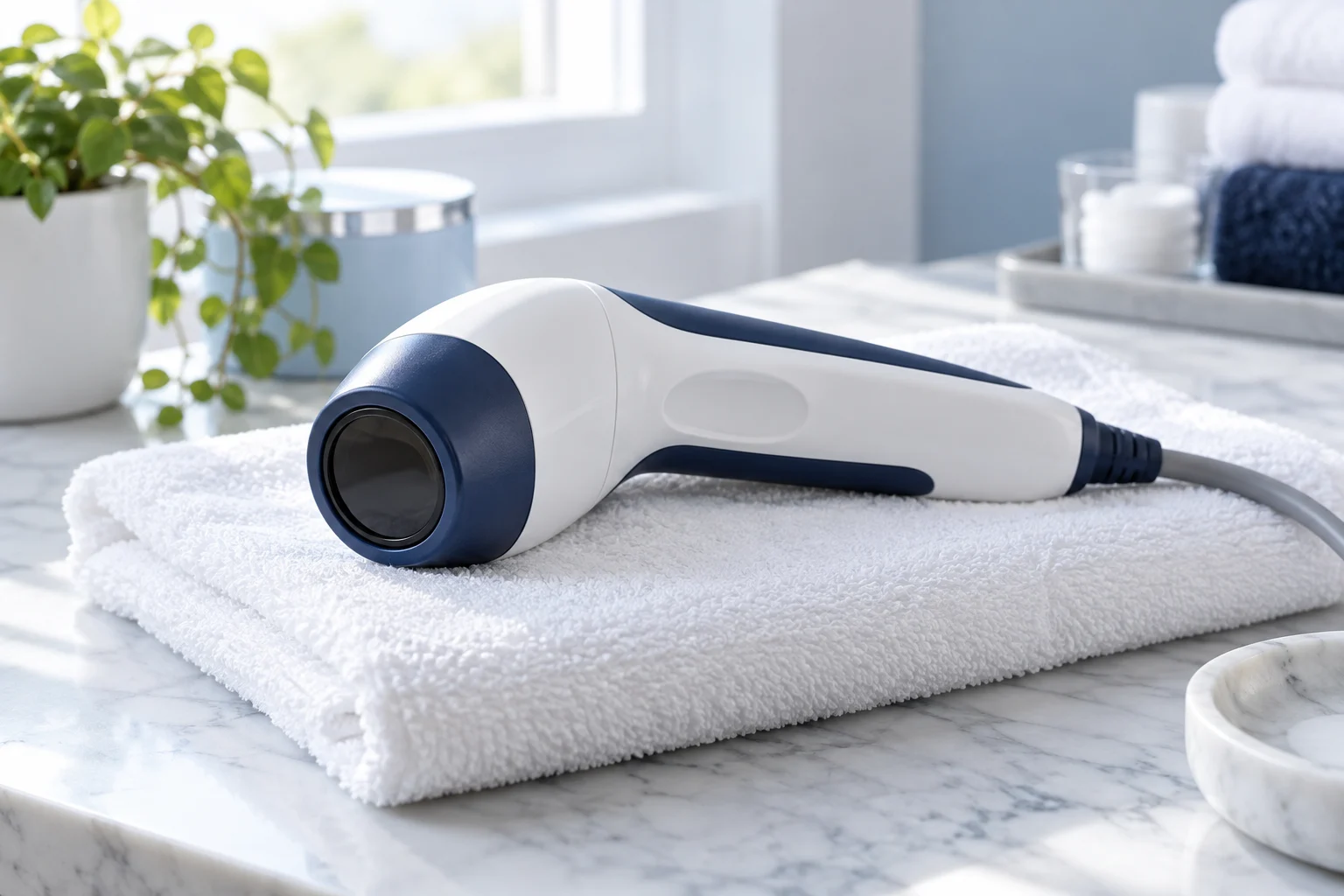
Therapeutic devices deliver selected wavelengths of light to a targeted area. Photobiomodulation refers to light-based approaches studied for their effects on biological activity. This page concerns noninvasive care, not surgical lasers.
Devices differ in wavelength, power, dose and delivery. Evidence for one technology cannot automatically be applied to another, and proposed biological effects are not the same as demonstrated patient outcomes.
During treatment
What Happens During a Laser Therapy Session?
Dr. Goldstein identifies the treatment area and selects the appropriate applicator and settings for the session while following the equipment's safety guidelines. Protective eyewear is used when required.
Treatment is directed to the selected area. Duration and treatment schedules depend on the specific protocol and individual circumstances.
Your experience
What Does Laser Therapy Feel Like?
What you feel during laser therapy can vary depending on the treatment area and settings being used. Dr. Goldstein will explain what to expect before treatment begins. If anything feels uncomfortable during the session, let him know so the treatment can be assessed, adjusted or stopped if needed.
What the research shows
What Musculoskeletal Problems Has Laser Therapy Been Studied For?
Research includes the presentations below. Findings vary by diagnosis and treatment parameters; a study of one protocol does not establish a benefit for every device or patient.
Selected Neck Pain
Light-based therapies have been studied for neck pain and related disability. Protocols and results vary across studies.
Persistent Low-Back Pain
Some studies report symptom improvement for selected presentations. The technology studied and individual findings matter.
Tendon-Related Problems
Research includes selected tendon complaints. Findings are specific to the tendon, light parameters and comparison treatment.
Plantar Heel Pain
Studied protocols have shown possible symptom benefits. These findings do not imply that all heel pain responds to laser.
These examples describe research topics, not a fixed treatment menu or a promise of results.
Realistic expectations
What to Expect from Laser Therapy
Response varies between individuals, and evidence differs by condition and protocol. Laser is one possible option within an individualized plan; improvement is not guaranteed.
Symptoms, function and progress should be evaluated over time. Rehabilitation, another conservative approach or referral may also be appropriate.
Part of a broader plan
Combining Laser Therapy with Rehabilitation
Laser may sometimes be incorporated alongside exercise, movement and activity progression. Self-management and an appropriate rehabilitation plan remain important.
Explore Rehabilitation →Activity and individual needs
Laser Therapy for Sports & Active Patients
If you’re active or play sports, Dr. Goldstein may discuss laser therapy when it fits your symptoms, activity demands and rehabilitation needs.
Explore Sports Injury Care →Safe, individualized use
Safety & Treatment Precautions
Avoid direct eye exposure and follow the device-specific eye-protection requirements. Incorrect use can cause eye or skin injury; risks depend on the equipment and settings.
Tell Dr. Goldstein about pregnancy, cancer in or near the proposed treatment area, light sensitivity and medications that affect sensitivity to light. These require review against the device instructions and your clinical circumstances.
This is not a self-clearance checklist. Do not stop prescribed medication on your own. Suspected serious injury needs appropriate medical evaluation before routine treatment.
Considering your options
How Laser Therapy Fits with Other Care
Dr. Goldstein may recommend rehabilitation, chiropractic adjustments, manual therapy, shockwave or other conservative care based on your evaluation. Your plan includes the options that fit your needs, rather than every treatment available.
Evaluation first
Laser Therapy with Dr. Brett Goldstein
Dr. Brett Goldstein, D.C. considers your presentation and examination findings before recommending care. The discussion includes realistic expectations, precautions and alternatives.
Rehabilitation may be integrated where appropriate, with response monitored and referral or co-management when needed.
Meet Dr. Goldstein →A considered approach
What to Expect at Your Visit
Discuss Your Symptoms
Share concerns, goals and relevant history.
Evaluation
Review your presentation and examination findings.
Review Treatment Options
Discuss evidence, precautions and alternatives.
Laser Therapy If Appropriate
Treatment proceeds only when appropriate. It may not begin at the first visit.
Common questions
Laser Therapy FAQs
What is therapeutic laser?
Light-based treatment directed toward a selected area. Photobiomodulation describes certain light-based approaches; devices and protocols differ.
Is laser therapy the same as surgery?
No. The treatment discussed here is noninvasive and does not involve surgical cutting or removal of tissue.
What does laser therapy feel like?
What you feel depends on the laser equipment and settings. Dr. Goldstein will explain what to expect and ask you to tell him about any discomfort.
What conditions has laser therapy been studied for?
Studies include selected neck and low-back pain presentations, tendon-related problems and plantar heel pain. Results depend on the condition and technology; they do not apply to every complaint or device.
Does laser therapy heal damaged tissue?
Research explores biological effects, but those findings do not establish universal tissue repair. Clinical decisions should focus on condition-specific evidence and outcomes such as symptoms and function.
Does laser therapy reduce inflammation?
Some research examines effects on inflammatory processes. A change in a laboratory marker does not establish a meaningful clinical benefit for every patient or guarantee that inflammation will resolve.
How many sessions will I need?
There is no fixed number for everyone. Recommendations depend on the presentation, device, protocol and reassessment of response.
Is laser therapy painful?
How treatment feels varies, and it may not be pain-free. Tell Dr. Goldstein promptly about discomfort so he can assess whether to adjust or stop treatment.
Are there side effects or precautions?
Eye exposure must be avoided. Device-specific risks may include skin irritation or injury. Medical history, treatment area and appropriate protective measures must be reviewed.
Can athletes use laser therapy?
Dr. Goldstein may discuss it as part of your care plan if your evaluation supports it. Playing a sport alone does not make laser therapy appropriate.
Can laser be combined with rehabilitation?
Yes, when appropriate. Exercise, movement, activity progression and self-management remain important; laser does not replace an appropriate active-care plan.
Is everyone a candidate?
No. History, examination, treatment area and device-specific precautions determine whether treatment is appropriate.
Medical Information
This page provides general educational information and does not replace individual medical evaluation or emergency care.
Sources: NIH NCCIH: low-back pain; neck-pain research; tendon and heel-pain review; laser protocols and musculoskeletal research; FDA: laser safety. Reviewed September 2026.
Laser therapy
Wondering Whether Laser Therapy Is Appropriate for You?
Start with an evaluation and a conversation about your symptoms, what Dr. Goldstein finds, your treatment options and what you can realistically expect.